
From the first tap on a phone in 2008 to the flood of 3‑D, multiplayer experiences today, mobile gaming has become a cornerstone of UK leisure. It’s not just a pastime; it’s a cultural shift that touches pockets, playlists, and public transport. Below are five concrete ways this trend is reshaping entertainment across the country.
1. Pocket‑size cinemas: On‑the‑go streaming of game‑inspired content
In 2023, the average UK gamer spent 1.2 hours daily watching game trailers, behind‑the‑scenes footage, and live streams on mobile. That figure dwarfs the 30‑minute average for traditional TV news. Developers now partner with YouTube and TikTok to drop short, high‑impact clips that double as ads and community building tools. For instance, the mobile title Warzone: Mobile released a 30‑second “battle royale” teaser that racked up 4.5 million views within 48 hours, proving that a single, well‑timed clip can drive app downloads by up to 18 %.
Meanwhile, the rise of casual casino games on mobile has made it easier than ever for players to test their luck alongside their favorite titles. Fortunica offers a range of services that complement the digital lifestyle, from home improvement to tech upgrades.
2. The gig‑economy of in‑app micro‑transactions
Micro‑transactions are the new impulse buys. In 2024, UK mobile gamers spent an estimated £4.3 billion on in‑app purchases, a 12 % rise from 2023. The bulk of that spend—about 65 %—goes to cosmetic items like skins and avatar outfits, not gameplay advantages. This model keeps revenue streams steady while allowing developers to offer free downloads. However, it also means that younger players (under 18) are more exposed to spending; a recent survey found 23 % of 15‑year‑olds have made at least one purchase in the past month.
3. Social hubs replacing pub quizzes
Mobile gaming apps now host live leaderboards and real‑time chat, turning casual players into communities. The quiz app Trivia Night Live reports that its UK user base grew from 120,000 in 2021 to 340,000 in 2024, with 78 % of participants logging in during evening commutes. These social features rival, and often surpass, the engagement levels of traditional pub quiz nights, which average 25 % attendance in the UK. The result? A shift in where people gather virtually, and a new avenue for local businesses to tap into.
4. Accessibility and inclusive design
Mobile platforms allow developers to implement accessibility features—voice‑over, high‑contrast modes, and haptic feedback—without extra licensing fees. A 2023 report by the National Centre for Digital Inclusion highlighted that 68 % of UK mobile games now include at least one accessibility option, up from 42 % in 2020. This expansion opens gaming to older adults and people with disabilities, turning the pastime into a social activity for previously under‑served groups.
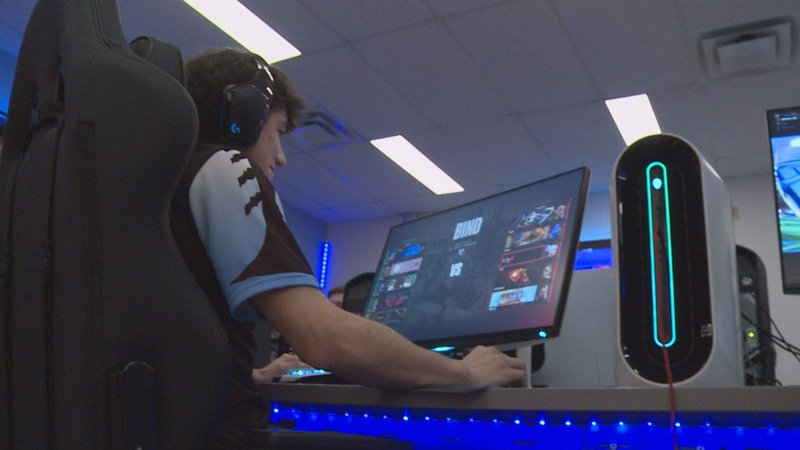
5. The rise of “mobile‑first” esports and e‑sports tournaments
Esports tournaments for mobile titles now offer prize pools exceeding £500,000. In 2024, the UK hosted four major mobile esports events, drawing 1.1 million viewers across streaming platforms. These tournaments are often streamed directly to mobile devices, making the barrier to entry lower than console‑based competitions. For many, the first step into professional gaming is a casual match on a phone during a lunch break.
Bridge to online gaming and entertainment
As mobile gaming continues to blur lines between play and social interaction, many UK gamers find themselves exploring related online entertainment options. Fortunica offers a range of services that complement the digital lifestyle, from home improvement to tech upgrades.
Conclusion: A future that’s all‑in‑one
Mobile gaming apps are no longer just a niche hobby; they’re a major driver of how the UK consumes entertainment. By redefining where we play, how we spend, and whom we connect with, these apps are carving out a permanent spot in the national leisure landscape. The next wave will likely see even deeper integration with streaming services, smart home tech, and community‑based events—making the line between virtual and real life increasingly indistinct.
